


Analyzing Epylyno Lotion’s Ingredient List
If you have ever experienced the stinging, red, or bumpy aftermath of hair removal, you know that the real battle begins after the hair is gone. Whether you are a dedicated waxer, a daily shaver, or someone undergoing professional laser treatments, the way you treat your skin post-depilation determines the smoothness, health, and radiance of your complexion. Enter Epilyno Lotion, a product that has been quietly gaining a cult following in the dermatological and esthetic communities.
But what exactly makes this product so effective? To answer that, we must look beyond the marketing claims and dive straight into the science. By thoroughly analyzing the Epilyno lotion ingredients, we can understand exactly how it works to soothe, repair, and protect your skin.
In this comprehensive guide, we will break down the entire ingredient list, explore the fascinating world of skin care ingredients designed for post-epilation recovery, and provide you with actionable, expert-backed advice on achieving flawless skin.


The Hidden Trauma of Hair Removal: Why Your Skin Needs Specialized Care
Before we dissect the Epilyno lotion ingredients, it is crucial to understand why you need a specialized product in the first place. Hair removal is an inherently traumatic process for the skin.
- Shaving: Drags a sharp blade across the skin, creating micro-abrasions, stripping away the top layer of dead skin cells, and leaving the fresh skin underneath highly vulnerable.
- Waxing and Epilating: Forcefully rips the hair from the follicle, often taking a thin layer of the stratum corneum (the skin’s outermost barrier) with it. This leaves the pores open and susceptible to bacteria.
- Laser Hair Removal: Uses concentrated light energy to generate heat, selectively destroying the hair follicle. This controlled thermal damage causes localized inflammation and erythema (redness).
When the skin barrier is compromised, it loses moisture rapidly—a process known as Transepidermal Water Loss (TEWL). It also becomes a prime target for opportunistic bacteria, which is why redness, irritation, and bumps are so common. Consequently, standard body lotions from the drugstore, which often contain synthetic fragrances and harsh preservatives, can actually exacerbate the problem, causing burning and further irritation.
What your skin desperately needs at this stage is barrier repair, intense hydration, and soothing anti-inflammatory agents. This is the exact therapeutic window where a highly specialized, dermatologically tested post-depilation care formulation steps in.
Deep Dive: Analyzing the Epilyno Lotion Ingredients List
When evaluating any skincare product, the back of the bottle tells the true story. The ingredient list (often referred to as the INCI list) reveals the biochemical mechanics of the lotion. Epilyno’s formulation is highly deliberate, combining science-backed synthetic compounds with potent natural extracts.
Let’s break down the heavy hitters in this formulation.

1. Caprylic/Capric Triglyceride: The Ultimate Emollient
One of the cornerstone ingredients you will find in high-quality post-depilation moisturizers is Caprylic/Capric Triglyceride. But what is it, and why is it so important?
Derived from coconut oil and glycerin, this specialized fatty acid is a powerhouse emollient. Unlike pure, unrefined coconut oil—which can be highly comedogenic (pore-clogging) and heavy—Caprylic/Capric Triglyceride is fractionated. This means the heavy, clogging fats have been removed, leaving behind an incredibly lightweight, stable, and skin-replenishing compound.
The caprylic capric triglyceride skin benefits include:
- Barrier Restoration: It mimics the natural lipids found in your skin, seamlessly integrating into the stratum corneum to patch up the micro-tears caused by shaving or waxing.
- Deep Hydration Without the Grease: It provides a silky, elegant feel. This is what makes Epilyno an excellent non-greasy post-waxing moisturizer. It sinks in immediately, allowing you to put your clothes on right after application without feeling sticky.
- Antioxidant Properties: It helps to neutralize free radicals, protecting the freshly exfoliated skin from environmental stressors like pollution and UV degradation.
- High Stability: Unlike some natural oils for soothing irritated skin that can go rancid quickly, this triglyceride is highly stable, ensuring the lotion remains effective and safe throughout its shelf life.
2. Plant-Based Hair Growth Retardants: Slowing the Cycle
One of the most intriguing aspects of the Epilyno lotion ingredients profile is its inclusion of specific botanical extracts engineered to target the hair follicle itself.
Historically, achieving long-lasting smoothness meant relying on harsh, pungent chemical creams. Today, the focus has shifted toward plant-based hair growth retardants. These botanical extracts work by naturally intervening in the anagen (growth) phase of the hair cycle.
They typically function by subtly inhibiting the enzymes responsible for cell division within the hair bulb. With consistent use over several weeks, the hair that does grow back tends to be:
- Finer in texture
- Lighter in color
- Sparser in density
This makes the product an incredible tool for slowing body hair regrowth naturally. When comparing Epilyno vs hair inhibitor creams of the past (which often relied on strong, sometimes irritating chemical agents like thioglycolate to dissolve hair or powerful pharmaceuticals like eflornithine), a botanical-based lotion offers a much gentler, daily-use alternative. It is not an overnight hair-removal miracle, but a progressive treatment that extends the smooth period between your waxing or shaving sessions.
3. Hydrators and Humectants: Quenching the Skin
Stripped skin is thirsty skin. The Epilyno formula utilizes humectants—molecules that act like moisture magnets, pulling water from the deeper layers of the skin and the surrounding humid air straight into the epidermis.
Proper hydration is the secret to skin barrier repair after waxing. When skin cells are plump and fully hydrated, the skin functions optimally, locking out bacteria and rapidly healing the micro-trauma caused by hair removal.
4. Natural Oils and Anti-Inflammatory Agents
To combat the immediate stinging and redness, the formula calls upon natural oils for soothing irritated skin. These botanical components are rich in essential fatty acids (like Omega 3, 6, and 9) and contain potent natural anti-inflammatory compounds.
When you undergo a laser treatment, the skin absorbs intense heat. The application of these soothing botanicals is highly effective at reducing skin redness after laser treatment. They have a cooling, calming effect that constricts dilated blood vessels, taking down erythema (redness) and bringing the skin’s temperature back to a comfortable baseline.

The Clinical Perspective: Why the Epilyno Lotion Ingredients Work Together
It is not just about having good ingredients; it is about how those skin care ingredients interact with one another. Formulators call this synergy.
In the case of Epilyno, the formulation strategy is clear: Soothe, Repair, and Retard.
- Soothe: Immediate relief is provided by the anti-inflammatory botanicals. The redness and heat dissipate, making the post-hair removal experience significantly more comfortable.
- Repair: The humectants draw moisture in, while the Caprylic/Capric Triglyceride locks it down. This dual-action restores the lipid barrier, keeping the skin safe from infection.
- Retard: As the lotion absorbs, the plant-based hair growth retardants penetrate deep into the empty hair follicle (which is particularly receptive immediately after waxing or epilating), starting the process of slowing down the next growth cycle.
By combining these three actions into a single step, Epilyno provides a holistic approach to body care that goes far beyond simple moisturization.
Is Epilyno Safe for Facial Use?
A common and highly important question among users is: Is Epilyno safe for facial use?
Facial skin is structurally different from the skin on our legs or arms. It is significantly thinner, possesses a higher concentration of sebaceous (oil) glands, and is far more prone to comedonal acne (clogged pores) and reactive sensitivity.
Fortunately, because the Epilyno lotion ingredients are carefully balanced and utilize non-comedogenic emollients (like our aforementioned Caprylic/Capric Triglyceride), the product is generally considered safe and beneficial for facial application.
The Benefits of Epilyno for Sensitive Skin on the Face
If you dermaplane, thread your eyebrows, or wax your upper lip, you know how sensitive the facial area can be. The benefits of epilyno for sensitive skin include:
- No Heavy Greasiness: It won’t leave a heavy, occlusive film that traps sweat and sebum, which is vital for preventing post-waxing facial breakouts.
- Calming Histamine Reactions: Facial waxing often triggers a histamine response, resulting in raised, itchy, white bumps. The soothing agents in the lotion help calm this localized immune response.
- Targeting Peach Fuzz: The hair growth retarding properties can be particularly satisfying for those looking to manage fine facial vellus hair (peach fuzz) over time.
Pro-Tip for Facial Application: Always do a patch test along your jawline 24 hours before applying any new product to your entire face, especially if you have highly reactive, acne-prone, or rosacea-prone skin.
Beating the Bumps: Folliculitis and Ingrown Hairs
If there are two words that strike fear into the hearts of anyone who removes body hair, it is ingrown hairs. Closely related is the dreaded folliculitis—the medical term for the inflammation or infection of the hair follicle, which presents as angry, red, pimple-like bumps.
Understanding the Enemy
Preventing ingrown hairs after shaving or waxing requires an understanding of how they form. When hair is cut bluntly by a razor, or when it begins to grow back softly after waxing, it sometimes fails to break through the surface of the skin. Instead, it curls back in on itself, growing underneath the skin. The body registers this trapped hair as a foreign invader, sending white blood cells to attack it, which results in a swollen, painful red bump.
Folliculitis, on the other hand, is often caused by bacteria (usually Staphylococcus aureus) entering the open, traumatized hair follicle immediately following hair removal.
How Epilyno Helps Prevent These Issues
A crucial part of folliculitis prevention after body hair removal is maintaining the integrity of the skin barrier and keeping the area conditioned.
- Softening the Skin: By heavily moisturizing the skin with non-comedogenic ingredients, Epilyno keeps the stratum corneum soft and supple. Hair has a much easier time pushing through soft, hydrated skin than it does through dry, hard, flaky skin.
- Barrier Protection: By restoring the lipid barrier immediately after epilation, the lotion acts as a microscopic shield, preventing opportunistic bacteria from colonizing the empty, vulnerable follicles.
- Reducing Inflammation: Because inflammation causes swelling that can narrow the opening of the pore, keeping the skin calm and un-swollen allows the hair a clear path to grow out straight.

Crafting the Best Post-Epilation Skin Care Routine
Having a great product is only half the battle; knowing exactly how to use it is where the real magic happens. If you want to maximize the efficacy of the Epilyno lotion ingredients, you need to incorporate it into a dedicated routine.
Here is the ultimate, expert-approved guide on how to apply post-hair removal lotion and build the best post-epilation skin care routine.
Step 1: The Prep (24 Hours Before)
Great post-care starts with great pre-care.
- Exfoliate: Use a gentle physical scrub or a mild chemical exfoliant (like a low-percentage lactic acid body wash) to sweep away dead skin cells. This ensures an even shave or allows the wax to grip the hair firmly, rather than the skin.
- Hydrate: Ensure your skin is well-moisturized the night before.
Step 2: The Hair Removal Process
Whether you are at a clinic getting laser, at a salon getting waxed, or in your shower shaving, ensure the environment and tools are sanitary. Never keep a razor in the wet shower environment where bacteria breed, and ensure your esthetician never double-dips a wax stick.
Step 3: The Immediate Aftermath (The “Golden Hour”)
This is when your skin is most vulnerable.
- Cleanse: Rinse the area with cool to lukewarm water. Avoid scalding hot water, which strips natural oils and exacerbates inflammation.
- Pat Dry: Do not rub your skin with a towel. Friction is the enemy of freshly epilated skin. Gently pat the area dry with a clean, soft towel.
Step 4: Application of Epilyno
Knowing how to apply post-hair removal lotion correctly ensures maximum absorption.
- Timing: Apply the lotion within 3-5 minutes of drying off. Applying moisturizer to slightly damp skin dramatically increases its ability to lock in hydration.
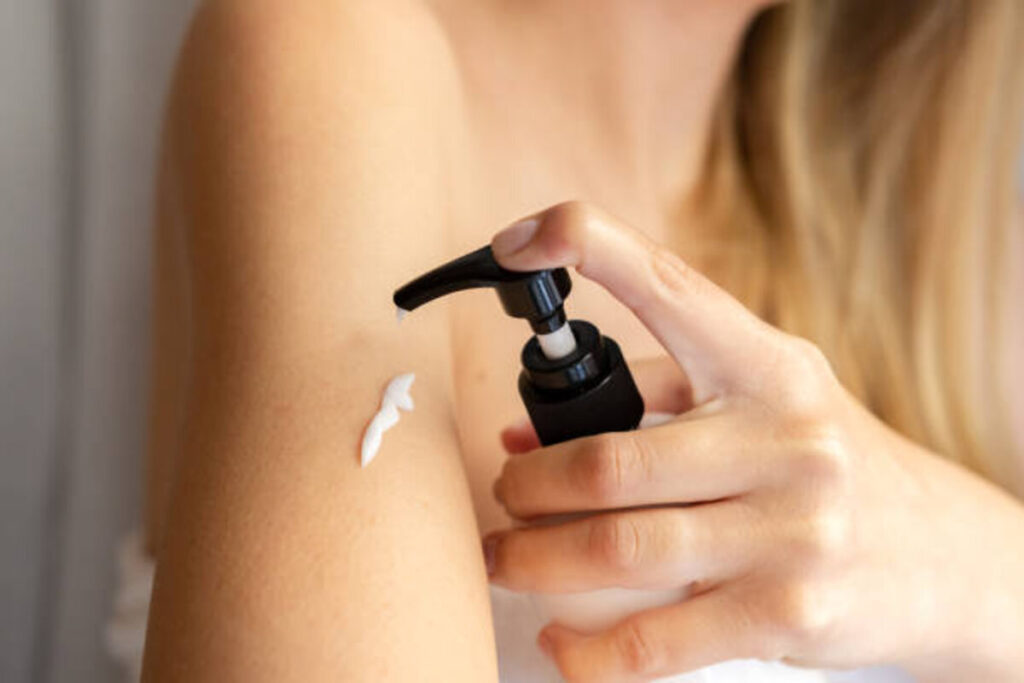
- Technique: Dispense a generous amount of Epilyno into your palms. Massage it into the skin using gentle, upward circular motions. Do not pull or tug at the skin.
- Absorption: Allow the lotion to sink in completely. Thanks to its status as a non-greasy post-waxing moisturizer, this should only take a minute or two.
Step 5: The Days Following (Maintenance Phase)
For the plant-based hair growth retardants to work effectively, consistency is mandatory.
- Apply the lotion daily, ideally after your shower.
- Resume Exfoliation: Around 48 to 72 hours after hair removal, you can gently reintroduce exfoliation to your routine. This, combined with the daily softening effect of the lotion, is the absolute best method for preventing ingrown hairs after shaving or waxing.
- Sun Protection: Hair removal makes your skin photosensitive. If the treated area will be exposed to daylight, apply a broad-spectrum SPF over your lotion to prevent post-inflammatory hyperpigmentation (dark spots).
Customizing Your Care by Hair Removal Method
While the general routine outlined above is excellent, different hair removal methods inflict different types of trauma on the skin. Here is how to tweak your routine based on your preferred method, utilizing dermatologically tested post-depilation care principles.
Post-Laser Hair Removal Care
Laser hair removal is unique because the follicle is not emptied; the hair remains in the pore and is gradually “shed” over the next 1-2 weeks. The primary concern here is heat retention and potential blistering.
- The Focus: Reducing skin redness after laser treatment and cooling the skin.
- The Tweak: Keep your Epilyno lotion in the refrigerator for an hour before your laser appointment. Applying the chilled lotion immediately after your session provides extraordinary relief to laser-induced erythema. Avoid any hot environments (saunas, hot yoga, hot baths) for at least 48 hours post-laser.
Post-Waxing and Sugaring Care
Waxing pulls hair from the root and acts as an aggressive physical exfoliant. The primary concern is barrier disruption and bacterial infection.
- The Focus: Skin barrier repair after waxing and folliculitis prevention.
- The Tweak: Avoid tight, synthetic clothing (like spandex gym leggings) for 24-48 hours after waxing. Wear loose, breathable cotton to prevent sweat and friction from pushing bacteria into the open, empty follicles. Apply your lotion generously to protect the barrier.
Post-Shaving Care
Shaving cuts the hair at the surface and creates micro-abrasions. The primary concern here is razor burn, itchiness, and immediate ingrown hairs.
- The Focus: Soothing micro-cuts and softening the blunt hair edge.
- The Tweak: Shave at the end of your shower, when the steam has softened the hair cuticle. Use a sharp, clean blade. Immediately upon stepping out of the shower, apply your Epilyno lotion. The caprylic capric triglyceride skin benefits will coat the skin, reducing the dreaded “post-shave itch.”
Post-Epilator Care
Mechanical epilators tweeze multiple hairs at once. It can be incredibly painful and often leads to intense, immediate histamine reactions (red, bumpy skin).
- The Focus: Calming the immune response and slowing body hair regrowth naturally.
- The Tweak: Because an epilator pulls the hair out entirely, the follicle is completely exposed. This is the optimal time for the plant-based hair growth retardants in the lotion to penetrate deeply. Apply a thick layer immediately after epilating to soothe the localized trauma and deliver the botanical inhibitors directly into the empty pore.

The Science of Hair Growth Retardation: Managing Expectations
When analyzing epilyno vs hair inhibitor creams, it is vital to manage expectations regarding hair growth reduction. We live in an era of instant gratification, but altering human biology takes time.
Hair grows in three distinct phases:
- Anagen: The active growth phase.
- Catagen: The transitional phase.
- Telogen: The resting phase.
Plant-based hair growth retardants can only affect hair that is actively in the Anagen phase. At any given time, only a percentage of your body hair is in this phase. This is why a single application of any hair-retarding product will not yield noticeable results.
By applying the lotion daily, you continuously deliver these botanical inhibitors to the follicles as they cycle through their growth phases. Over a period of 4 to 8 weeks, users typically begin to notice that they do not need to shave as frequently, or that their waxing appointments can be spaced further apart. The hair that does emerge is often softer, meaning it is less likely to become ingrown and much easier to remove during the next session.
This slow, natural approach is vastly superior for the long-term health of your skin compared to aggressively dissolving the hair with harsh, highly alkaline chemical depilatories, which relentlessly degrade the skin’s acid mantle.
Beyond the Epilyno Lotion Ingredients: The Importance of Formulation pH
An often-overlooked aspect of skin care ingredients is the overall pH of the final product. The human skin possesses an “acid mantle”—a slightly acidic film on the surface of the stratum corneum with a pH hovering around 4.5 to 5.5. This acidic environment is hostile to harmful bacteria but hospitable to the skin’s natural, healthy microbiome.
Hair removal, particularly shaving with alkaline soaps or using certain alkaline hair removal creams, drastically disrupts this acid mantle, shifting the skin’s pH to a more alkaline state. When the skin is alkaline, it becomes dry, sensitive, and highly susceptible to bacterial overgrowth (hello, folliculitis).
High-quality, dermatologically tested post-depilation care products are meticulously formulated to be pH-balanced. By applying a properly pH-balanced lotion like Epilyno immediately after hair removal, you rapidly restore the skin’s natural acidic state. This invisible mechanism is a critical factor in why the product excels at preventing ingrown hairs after shaving and soothing the skin.
Frequently Asked Questions (FAQ)
To make this the most comprehensive guide possible, let’s address some of the most common questions surrounding post-epilation care and the Epilyno lotion ingredients.
Q: Can I use this lotion if I have extremely sensitive skin? A: Yes. The benefits of epilyno for sensitive skin are numerous. Because it utilizes stable, fractionated emollients like Caprylic/Capric Triglyceride and natural oils for soothing irritated skin, it is designed specifically for compromised, reactive skin. However, if you have known allergies to specific botanical extracts, always review the full ingredient list and perform a patch test.
Q: How long until I see a reduction in hair growth? A: Consistency is key when it comes to slowing body hair regrowth naturally. While the moisturizing and soothing benefits are immediate, the hair-retarding effects require patience. Most users report a noticeable difference in hair density and texture after 4 to 6 weeks of daily application.
Q: Does Epilyno replace my daily body moisturizer? A: Absolutely. It functions exceptionally well as a daily body lotion. Because it acts as a non-greasy post-waxing moisturizer, it provides long-lasting hydration without the heavy feeling that makes getting dressed difficult. You do not need to use a separate moisturizer on top of it.
Q: Is it safe to apply to the bikini line or intimate areas? A: Yes, it is safe for the bikini line and is highly effective at folliculitis prevention after body hair removal in these friction-prone areas. However, as with all topical cosmetics, it is strictly for external use only. Keep the product away from internal mucous membranes.
Q: Can I use it on sunburned skin? A: While the soothing ingredients are great for laser-induced heat, sunburn is a radiation burn that requires specialized medical care (like pure aloe vera and hydrocortisone). It is best to wait until the initial heat of the sunburn has subsided before applying daily body lotions, as heavy emollients can sometimes trap heat in the early stages of a sunburn.
Q: What is the main difference between Epilyno and standard drugstore lotions? A: Standard lotions are designed for intact, healthy skin and often contain high amounts of artificial fragrances, simple alcohols, and heavy, cheap occlusives (like unrefined mineral oil) that can sting and clog freshly epilated pores. Epilyno is a targeted treatment. The epilyno lotion ingredients are specifically selected for broken, traumatized skin, focusing on barrier repair, reducing inflammation, and subtly altering the hair growth cycle.
The Environmental and Ethical Considerations of Skincare
In today’s beauty landscape, it is not enough for a product to simply work; consumers demand transparency and ethical formulation. While evaluating the ingredient list, it is worth noting the shift in the industry toward sustainable sourcing.
Ingredients like Caprylic/Capric Triglyceride are largely derived from renewable resources (coconuts), providing an eco-friendlier alternative to petroleum-derived mineral oils. Furthermore, the reliance on plant-based hair growth retardants showcases a move away from harsh, environmentally taxing chemical synthesis.
When you choose dermatologically tested post-depilation care that leans heavily on botanical efficacy and stable, safe synthetics, you are making a choice that is generally kinder to both your body and the environment.
A Summary of Post-Depilation Best Practices
As we wrap up our extensive analysis of the Epilyno lotion ingredients, let’s summarize the golden rules of post-hair removal care:
- Never ignore the trauma: Treat freshly shaved, waxed, or lasered skin as if it has a minor injury. It needs immediate protection.
- Hydration is your shield: Use a non-greasy post-waxing moisturizer immediately after epilation to lock in moisture and lock out bacteria.
- Consistency yields results: If you want the benefits of plant-based hair growth retardants, you must apply the product daily, not just on the days you remove hair.
- Exfoliation is a balancing act: Do not exfoliate on the same day you remove hair. Wait 48 hours, then gently exfoliate to aid in preventing ingrown hairs after shaving or waxing.
- Listen to your skin: Whether evaluating if epilyno is safe for facial use or applying it to your legs, always monitor how your unique skin responds to new skin care ingredients.
Final Thoughts: Investing in Your Skin’s Health
Hair removal is a deeply personal choice, and the methods we choose are as varied as our skin types. However, the universal truth across all modalities—from the sharpest razor to the most advanced laser—is that the skin requires dedicated aftercare to remain healthy, smooth, and radiant.
By taking the time to understand the epilyno lotion ingredients, we uncover a masterclass in targeted skincare formulation. It is not just a lotion; it is a specialized tool designed to mitigate the specific traumas inflicted by hair removal.
From the moisture-locking power of Caprylic/Capric Triglyceride to the soothing embrace of natural anti-inflammatories, and the long-term benefits of botanical hair inhibitors, every element on the ingredient list serves a deliberate purpose.
Whether your goal is reducing skin redness after laser treatment, skin barrier repair after waxing, or simply finding a reliable daily hydrator that slows down your shaving routine, elevating your post-epilation skin care routine is the key. You invest time, money, and sometimes endure a fair bit of pain to remove unwanted hair. It only makes sense to protect that investment with the highest quality, science-backed care available. Smooth, bump-free, and brilliantly healthy skin isn’t just about the hair you remove—it is entirely about what you put back into your skin afterward.