


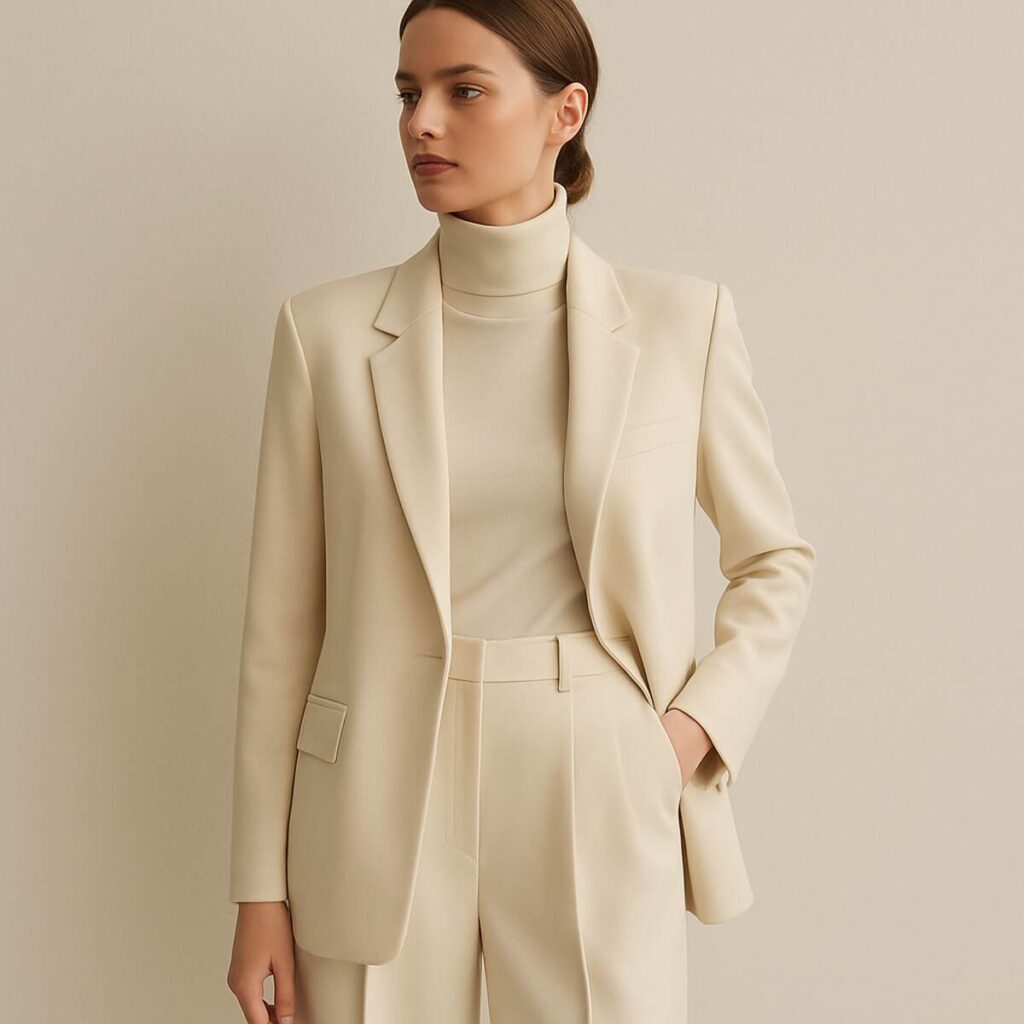
What if the most radical statement you can make with your style isn’t about revealing more, but about revealing less? In a world of “naked dresses” and constant exposure, many are discovering a quiet confidence in what they choose to reserve. This isn’t about hiding behind old-fashioned rules; it’s a modern choice to shift the focus from the body to the whole person. Instead of shock value, the goal is an elegance found in a well-tailored, flowing gown that hints at grace rather than demanding attention. Select the best beauty in modesty.
Think of modesty in style like a beautifully wrapped gift. The wrapping creates a sense of anticipation and value, drawing attention to the gift itself, not just the packaging. This simple idea transforms our understanding of what is modest fashion. It stops being an all-or-nothing concept defined by restrictions and becomes a flexible spectrum. The conversation moves away from a checklist of what’s “allowed” and toward a more personal question: “What story do I want my style to tell?”
In practice, a modern modest style guide focuses on powerful fashion elements. It’s about creating intrigue through an interesting silhouette, conveying quality with beautiful fabric, and adding depth with thoughtful layering. These are simply compelling alternatives to revealing clothing, tools used to compose a look that feels intentional and authentic. By embracing this approach, style becomes a way to highlight personality, confidence, and quiet strength.
The Psychology of Reserved Style: Why Covering Up Can Make You Feel More Confident
Have you ever spent an entire event fidgeting with an outfit, feeling more aware of your body than the conversation you were in? This experience hints at the powerful connection between our clothes and our state of mind. The psychology behind modest dressing suggests that finding confidence isn’t always about what you reveal, but about what you gain when you feel secure in what you’re wearing.
A key part of this is how we sidestep “self-objectification”—the habit of mentally stepping outside ourselves to worry about how our bodies look to others. When an outfit demands constant monitoring, it can put us in a state of high alert. By choosing styles with more coverage, many people find they can turn this external focus inward. Instead of worrying about a strap slipping, you can become more present, grounded in your own thoughts and feelings.
This shift in focus effectively frees up your mental resources. Think of your attention as a finite battery; every bit of energy spent on feeling self-conscious is energy that can’t be used for expressing an idea, solving a problem, or connecting with someone. For many, dressing modestly is a practical way to redirect that mental energy, allowing them to project authority and confidence because their mind is on what truly matters.
Ultimately, this creates a profound sense of personal control. Choosing a more reserved style isn’t about hiding; it’s about consciously deciding where you want the focus to be. It’s a way of telling the world, “My value is in my character, my intellect, and my presence—not just my physical form.” This deliberate choice can be a quiet but powerful act of self-respect.
Choosing Your Audience: Is Modesty a Form of Radical Self-Respect?
Beyond the psychology of focus, choosing a reserved style is also a powerful way to set personal boundaries. Think of your style as the front door to your personal world; you get to decide who you invite inside. By opting for more coverage, you are not hiding, but rather curating who gets access to you and on what terms. This deliberate act of selection shifts the dynamic, turning fashion into a tool of personal agency that places you firmly in control of your own narrative.
This sense of privacy feels especially relevant today. In a digital culture that often encourages constant visibility and oversharing, consciously choosing physical modesty can be a quiet rebellion. It’s a way of drawing a line between your public persona and your private self, asserting that not all of you is available for public consumption. In this light, a more understated style isn’t old-fashioned; it’s a modern response to a world that demands endless exposure, a statement that you value your own intimacy.
Seen this way, dressing with intention becomes an act of profound self-respect. It communicates that your value is not tied to external validation of your body but is rooted in your character, intellect, and presence—your inner beauty. It’s a declaration that you are the main event, not just the preview. This sense of empowerment, however, hinges on one critical element: that it is, and always remains, a personal choice.
The Critical Difference: When Modesty is Empowering vs. Imposed
This distinction between a personal choice and an external rule is perhaps the most important one to make. The word “modesty” can describe two fundamentally different experiences: one is a source of strength, and the other is a tool of control. When someone freely chooses a more reserved style that aligns with their values, it can be a profound act of self-definition. However, when those same standards are forced upon someone by social pressure or law, the meaning is completely inverted, becoming a symbol of lost autonomy.
When modesty is imposed, the focus is on compliance. It becomes about following rules set by others, often robbing individuals of the chance to discover their own identity. In stark contrast, chosen modesty is an exercise of personal agency—the power to decide for yourself how you want to present yourself to the world. This choice might be rooted in faith, a desire for professionalism, or simply a personal aesthetic, but the key is that the decision comes from within.
Acknowledging the harmful reality of forced dress codes is crucial, but it’s equally important to focus on modesty as a voluntary, personal act. By separating the two, we can better appreciate how this intentional choice doesn’t limit style but can actually become the foundation for a deeply personal and elegant form of self-expression.
Can You Be Stylish and Modest? 3 Secrets to Effortless Elegance
The idea that modesty and style are at odds is a common myth. In reality, dressing with more coverage doesn’t mean sacrificing elegance; it simply shifts the focus. Instead of relying on showing skin, a modern modest style guide is built on a powerful trio of principles that create visual interest and sophistication: an impeccable fit, beautiful fabric, and an intentional silhouette.
This is where the magic really happens. When an outfit isn’t skin-tight, the way it’s cut becomes paramount. The overall shape, or silhouette, does all the talking. Think of the difference between a shapeless sweater and one that has a structured shoulder and a clean line down the torso. This is why a good tailor is often the secret to looking elegant in conservative outfits; they ensure your clothes honor your frame, creating a look that’s polished, not lost.
Just as crucial is the material itself. A high-quality fabric that drapes well, like a weighted linen or a soft wool, hangs with purpose and looks deliberate. Cheaper, thinner materials can cling in unflattering ways or appear flimsy, undermining the entire outfit. Investing in good fabric is an investment in the final look, giving even the simplest pieces a sense of substance and quiet luxury.
Mastering these three elements—Fit, Fabric, and Silhouette—is the true foundation of effortless style. It moves the conversation from what you’re not showing to the beauty of what you are wearing. By focusing on these details, you can build a wardrobe full of pieces that are both versatile and stunning. This core collection is the perfect starting point for our next step.
How to Build a Minimalist Modest Wardrobe That Isn’t Boring
Building on that foundation of well-fitting, beautiful pieces leads us to a powerful concept: the minimalist modest wardrobe. This isn’t about owning a boring or restrictive set of clothes. Instead, it’s about curating a small collection of versatile, high-quality items that you love to wear and that can be easily mixed and matched. The primary benefit of a minimalist modest wardrobe is simplicity; it removes decision fatigue and empowers you to get dressed with confidence and intention every single day.
So, what does a practical modest capsule wardrobe look like? Think of it as a “buy once, wear forever” collection of timeless staples that work together seamlessly. A fantastic starting point includes these ten versatile pieces:
- A crisp white button-down shirt
- A high-quality crewneck sweater (in cashmere or merino wool)
- A pair of dark, tailored trousers
- A versatile midi or maxi skirt
- A classic blazer
- A long-sleeved, elegant dress
- A timeless trench coat
- A set of silk scarves
- A pair of smart leather loafers
- A structured leather tote bag
A small collection might sound repetitive, but this is where your personality truly shines. Think of the ten pieces above as your canvas and accessories as your paint. The base wardrobe ensures you always look polished, while scarves, belts, jewelry, and shoes inject your unique style. A silk scarf can add a pop of color, a statement belt can change the silhouette of your dress, and a bold piece of jewelry can transform your sweater. This approach of investing in fewer, better items has a powerful side effect, which leads us to our next point.
The Unseen Benefit: How Choosing Modesty Can Be Your Antidote to Fast Fashion
That powerful side effect we mentioned? It’s the way this intentional approach to dressing naturally pushes back against the hurried, throwaway culture of fast fashion. Instead of chasing micro-trends that last a single season, the focus of modest style often shifts to silhouette, fabric quality, and personal comfort. It’s a quiet philosophy of “buy better, buy less” that values enduring elegance over fleeting novelty. This mindset is the complete opposite of the fast-fashion model, which relies on us constantly feeling out of date.
Consider the nature of those ever-changing trends. They frequently rely on specific, often revealing, cuts designed to become obsolete in a matter of months. By committing to timeless pieces—like the classic items in a minimalist wardrobe—you are investing in clothing that will serve you for years, not just weeks. You’re no longer a passive consumer of fleeting fads but an active curator of your own lasting style. This shift dramatically reduces the cycle of buying and discarding that fuels so much environmental waste.
Ultimately, this cultivates a habit of mindful consumption. This simply means bringing more awareness and intention to your purchasing decisions. Because choosing modesty is often a conscious act rooted in personal values, that same thoughtfulness naturally filters into how you shop. You begin to ask, “Does this piece truly reflect me and my life?” rather than just, “Is this in style right now?” This thoughtful approach isn’t a new invention; it echoes a long history of dressing with purpose, a practice found across countless cultures for centuries.
Beyond Religion: A Quick Tour of Modesty Across Cultures and History
That long history of dressing with purpose extends far beyond any single faith or region. The cultural significance of modest attire is a rich and global story, often communicating much more than just piety. Take the traditional Japanese kimono, for instance. Its beauty doesn’t come from revealing the body’s shape but from creating a graceful, elegant silhouette. The focus is drawn to the luxurious fabric, intricate patterns, and the wearer’s poised movements, turning clothing into a form of wearable art.
Shifting our view to 19th-century Europe, the high collars and long skirts of the Victorian era tell a similar story with a different message. For upper-class women, this extreme coverage wasn’t only about virtue signaling; it was a clear sign of social status, indicating a life free from the physical labor that required more practical clothing. What does dressing modestly say about you in this context? It said you belonged. We see echoes of this today when a sharply tailored suit is used to project professionalism and authority in a boardroom.
Ultimately, the history of modesty reveals that its meaning is anything but fixed. A dress considered scandalous in one decade might be seen as perfectly proper in the next. From signaling wealth in the Renaissance to expressing artistic minimalism in modern Japan, modest clothing has always been a powerful tool for communication. It’s a visual language that is constantly evolving, which is why its modern expressions—and the brands that create them—are so diverse and fascinating to explore.
Where to Find Modern and Modest Clothing: 3 Types of Brands to Explore
So, where do you actually find clothes that feel both modern and modest without looking frumpy or outdated? The good news is that you don’t have to hunt down niche online stores (though they can be great resources). The secret lies in learning how to shop with a new lens, focusing on silhouette, fabric, and overall design rather than just a brand name. This approach to building a modest capsule wardrobe turns almost any store into a potential source of inspiration.
Instead of limiting yourself, think of your search in terms of brand categories. This simple mental shift can help you find elegant, high-coverage options almost anywhere. Here are three types of brands to look for on your next shopping trip:
- Mainstream Brands with Strong Basics: Look to retailers known for their timeless or minimalist collections. Stores like COS, Everlane, or even the classic sections of J.Crew are filled with well-cut trousers, elegant knitwear, and versatile button-down shirts that form the foundation of a modern modest style.
- Dedicated Modest Fashion E-tailers: For curated, one-stop shopping, online boutiques like Aab or Louella specialize in this aesthetic, offering everything from stylish hijabs to contemporary long-sleeved dresses and tunics.
- Aspirational “Quiet Luxury” Brands: While brands like The Row might be out of reach for most, they are a masterclass in style inspiration. Pay attention to how they use draping, layering, and luxurious fabrics to create powerful looks without revealing much.
Ultimately, the key isn’t finding a single “best modest clothing brand” but developing your eye for pieces that feel right to you. It’s about seeing the potential in a simple silk blouse or a perfectly structured blazer, regardless of where you find it. This creative freedom is the first step in crafting an aesthetic that is uniquely yours.
Define Your Own Elegance: Embracing Beauty on Your Terms
Where you might have once seen modesty as just a set of rules, you now see it as a conscious choice—a quiet language spoken through fabric and silhouette. You can look beyond the simple act of covering up to understand the powerful “why” behind it: the desire for privacy, the expression of self-respect, or the simple joy of an understated aesthetic.
You can begin using this lens today. The next time you choose an outfit, take a moment to ask what you want to feel. Is it authority, comfort, creativity, or peace? By connecting your clothing to your intention, you’re practicing the core principle of finding confidence in modest fashion, or any personal style you choose to build.
Think back to the idea of a beautifully wrapped gift. Embracing elegance through modesty is never about hiding what’s inside, but about honoring it. The beauty isn’t found in the concealment; it is in the careful intention that suggests the contents are valuable. This is just one of many ways to celebrate your inner beauty, but only you can decide which tools feel right.
Ultimately, your style is your story to write. It’s the bridge between who you are on the inside and how you present yourself to the world. The goal was never to convince you of one way, but to empower you with more ways to be authentically seen. Now that you’ve seen the many sides of modesty, what do you want your style to say about you?