


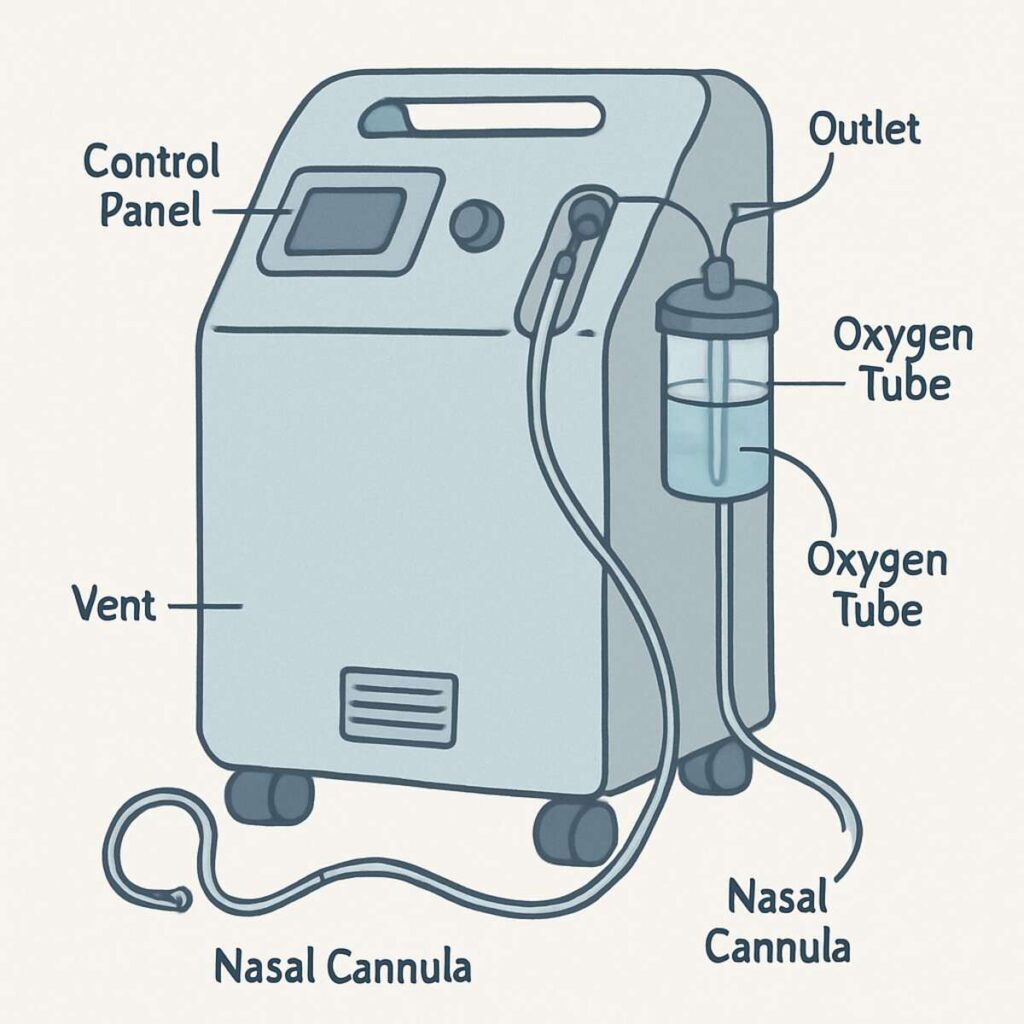
Oxygen machines are devices that provide supplemental oxygen to individuals who have difficulty breathing on their own. They play a vital role in the management of chronic respiratory conditions and are essential for enhancing the quality of life for many patients. There are two main types: oxygen tanks and oxygen concentrators. Each has its benefits and considerations, suited to different medical and lifestyle needs. Select the best oxygen machine.
The Role of Oxygen Machines in Healthcare
Oxygen machines are indispensable in both clinical and home settings. In hospitals, they support patients with acute respiratory issues, while at home, they provide ongoing therapy for chronic conditions. Understanding their operation helps in appreciating their significance in treatment plans. These machines ensure that patients receive the necessary oxygen levels to maintain healthy body functions, especially when their natural respiratory capabilities are compromised.
Types of Oxygen Machines
The two primary types of oxygen delivery systems are oxygen tanks and concentrators. Oxygen tanks store pure oxygen in a pressurized form, while concentrators filter and concentrate oxygen from ambient air. Each type serves different usage scenarios and patient needs. Understanding these differences will help you choose the right device based on your medical requirements and lifestyle preferences.
Innovations in Oxygen Machine Technology
Recent advancements in technology have greatly enhanced the functionality of oxygen machines. Newer models are more efficient, user-friendly, and portable, catering to the increasing demand for mobility and convenience. These innovations include quieter operation, energy-efficient systems, and smart connectivity features that allow remote monitoring and management, providing users with greater autonomy and peace of mind.
Oxygen Tanks
Oxygen tanks are large, pressurized cylinders filled with oxygen. They are often used in hospitals and home settings. Here’s what you need to know about them:
Portability of Oxygen Tanks
While oxygen tanks can be portable, they are generally heavier and bulkier than concentrators. Transporting them requires careful planning, as they need a cart or trolley for easy movement. This can be a challenge for individuals who lead an active lifestyle or require frequent travel. However, for those who need a stable oxygen supply at home, tanks can be a reliable option.
Oxygen Supply Limitations
Tanks provide a finite supply of oxygen. Once the tank is empty, it needs to be refilled or replaced, which can be inconvenient and requires coordination with a supplier. Understanding the rate of oxygen consumption is crucial to managing supply effectively. Regular monitoring and scheduling refills can prevent situations where the user is left without oxygen.
Usage Scenarios
Oxygen tanks are ideal for individuals who need a constant oxygen supply and do not require frequent movement. They are particularly beneficial for those who have high oxygen demands that portable concentrators might not support. In emergencies, tanks provide a dependable oxygen source when electricity or battery power is not available.
Oxygen Concentrators
Oxygen concentrators are devices that extract oxygen from the surrounding air and concentrate it for use. They are an excellent alternative to oxygen tanks.
Portability of Concentrators
Many modern oxygen concentrators are lightweight and designed for easy mobility, making them suitable for active individuals. This feature is particularly advantageous for users who wish to maintain an active lifestyle without being tethered to a stationary oxygen source. Portable concentrators come in various models, each catering to different mobility needs and preferences.
Continuous Oxygen Supply
Concentrators provide a continuous supply of oxygen as long as they are powered, eliminating the need for refills. This makes them a convenient choice for long-term oxygen therapy. Users can rely on concentrators for consistent oxygen delivery, which is critical in managing chronic respiratory conditions effectively.
Versatile Usage
Ideal for users who need oxygen therapy throughout the day and want the freedom to move about, concentrators can easily adapt to various settings. Whether at home, traveling, or outdoors, these devices offer flexibility and peace of mind. Their adaptability makes them a popular choice for individuals looking to integrate oxygen therapy seamlessly into their daily routines.
Factors to Consider When Choosing an Oxygen Machine
When selecting an oxygen machine, consider the following factors to ensure it meets your specific needs:
Prescription and Oxygen Needs
Your doctor will prescribe the amount of oxygen you need, typically measured in liters per minute (LPM). Ensure the machine you choose can deliver this amount consistently. Some machines are designed for high-flow oxygen needs, while others cater to low-flow requirements. Consulting with your healthcare provider is essential to align the machine’s capabilities with your medical needs.
Lifestyle and Mobility
Consider your daily activities and mobility needs. If you travel frequently or enjoy outdoor activities, a portable oxygen concentrator may be the best choice. For those who spend most of their time at home, a stationary unit may suffice. Evaluating your lifestyle will help determine the level of portability and convenience required in an oxygen machine.
Power Source Considerations
Oxygen concentrators require a power source to operate. Consider whether you need a machine that can run on both AC power and batteries, especially if you plan to use it while traveling. Battery life and charging capabilities are crucial factors for users who need reliable oxygen delivery on the go.
Noise Level Concerns
Some oxygen machines can be quite noisy, which may be disruptive, especially when sleeping. Look for models known for their quiet operation to ensure comfort. Quiet machines enhance the user experience, making them more suitable for continuous use, particularly at night.
Cost and Insurance Coverage
Oxygen machines can vary significantly in cost. Check with your insurance provider to see what types of oxygen equipment are covered under your plan. This can greatly influence your decision. Understanding the financial implications, including potential out-of-pocket expenses, is important for making an informed choice.
Benefits and Drawbacks of Oxygen Tanks
Benefits of Oxygen Tanks
Oxygen tanks provide a large supply of oxygen, which is beneficial for individuals with high oxygen requirements. They are reliable during power outages as they do not rely on electricity or batteries. For users in regions with unstable power supply, tanks offer an assurance of continued oxygen delivery.
Drawbacks of Oxygen Tanks
Once the oxygen in the tank is depleted, the tank needs to be refilled or replaced. This can be cumbersome and requires planning. Additionally, tanks are heavy and require a cart for transport, limiting mobility. These factors can be restrictive for users who prefer a more flexible and independent lifestyle.
Benefits and Drawbacks of Oxygen Concentrators
Benefits of Oxygen Concentrators
As long as there is power, concentrators provide a continuous supply of oxygen, which is ideal for long-term therapy. Many models are lightweight and designed for easy transport, enhancing mobility and allowing users to maintain an active lifestyle without interruption.
Drawbacks of Oxygen Concentrators
Concentrators require electricity or battery power, which can be a limitation in areas without reliable power sources. This dependency on power can be a concern during outages or in remote locations. Moreover, the initial cost of concentrators can be more expensive compared to tanks, though long-term operational costs may offset this.
Top Tips for Using Oxygen Machines
- Regular Maintenance: Keep your oxygen machine clean and well-maintained to ensure it functions properly. Regular servicing by a professional can prevent malfunctions and extend the machine’s lifespan.
- Follow Your Prescription: Always use your oxygen machine according to your doctor’s prescription. Adhering to prescribed oxygen levels is crucial for effective therapy and health outcomes.
- Safety Precautions: Oxygen is a fire hazard. Keep your oxygen machine away from open flames and ensure your home is smoke-free. Educating family members about oxygen safety is also important.
- Battery Backup: If you use a concentrator, have a backup battery for emergencies or power outages. Being prepared with spare batteries or a power source ensures uninterrupted oxygen delivery during unexpected situations.
Conclusion
Choosing the right oxygen machine involves understanding your medical needs, lifestyle, and the pros and cons of each type of machine. Whether you opt for an oxygen tank or a concentrator, the key is to select a device that aligns with your health requirements and daily activities. By considering these factors, you can make an informed decision that enhances your quality of life.
Remember to consult with your healthcare provider to determine the best oxygen machine for your specific needs and always adhere to their guidance for optimal health outcomes. The right oxygen machine can significantly improve your well-being, offering the freedom and support needed to lead a fulfilling life.