


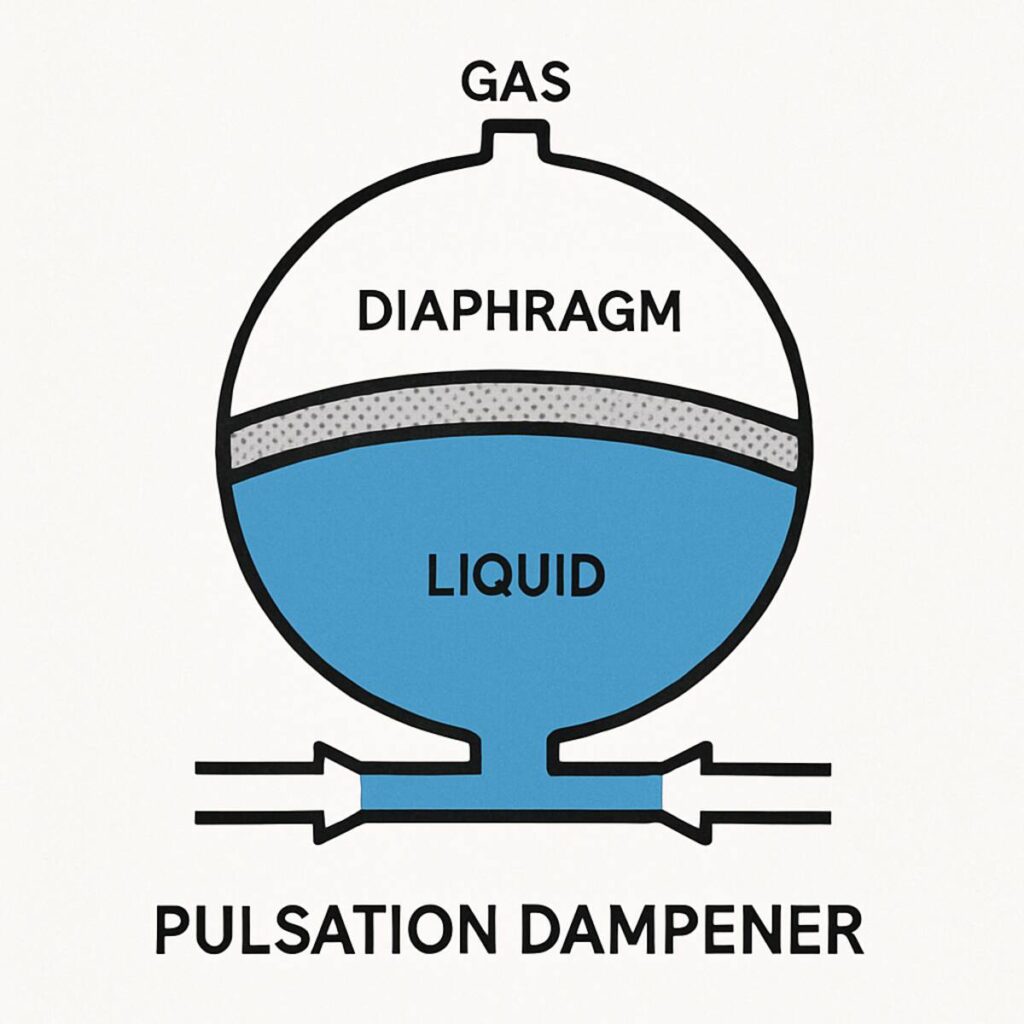
In the intricate world of fluid dynamics, pulsation dampeners play a pivotal role in ensuring the smooth operation of various mechanical systems. Selecting the appropriate pulsation dampener is crucial for optimizing system performance, reducing noise, and enhancing the longevity of equipment. This guide will elucidate the multifaceted considerations involved in choosing the right pulsation dampener, drawing from advanced principles of fluid dynamics and engineering.
Pulsation dampeners are devices designed to reduce the pulsations and vibrations in fluid systems, which can be caused by the reciprocating actions of pumps. These dampeners work by absorbing the energy of the pulsations, thus mitigating noise and wear on the system components. The effectiveness of a pulsation dampener is contingent upon its ability to harmonize with the specific characteristics of the system in which it is employed.
Purpose and Functionality
The primary purpose of Hidracar SA is to control and reduce the pulsations caused by pump actions. These pulsations, if left unchecked, can lead to significant issues such as noise, vibration, and even potential damage to the piping and machinery. By incorporating a pulsation dampener, systems can achieve a smoother flow, which not only improves operational efficiency but also extends the lifespan of the equipment involved.
Energy Absorption Mechanism
At the core of a pulsation dampener’s operation is its energy absorption mechanism. Typically, this involves a chamber filled with a compressible medium, such as gas or a flexible membrane, that can absorb the kinetic energy of pulsations. This absorption process dampens the fluctuations in pressure, allowing for a steadier and more controlled fluid movement through the system. Understanding this mechanism is crucial for selecting a dampener that aligns with the specific demands of your system.
System Harmony
Achieving harmony between the pulsation dampener and the overall system requires careful consideration of system parameters. Factors such as flow rate, pressure variations, and fluid type must be aligned with the dampener’s capabilities. A mismatch can lead to inefficiencies or even system failures, highlighting the importance of a well-informed selection process. Ensuring compatibility between the dampener and system components is essential for optimal performance.
Key Factors to Consider
Choosing the right pulsation dampener involves a comprehensive assessment of several factors, each contributing to the overall efficacy of the device within a given application.
System Compatibility
The primary consideration in selecting a pulsation dampener is ensuring compatibility with the existing system. This involves an evaluation of the system’s operating pressure, temperature range, and fluid type. Each of these parameters can significantly influence the performance and suitability of a pulsation dampener.
Evaluating System Parameters
When assessing system compatibility, it’s crucial to thoroughly evaluate all relevant system parameters. This includes understanding the maximum and minimum pressure ranges, temperature fluctuations, and the type of fluids being transported. These parameters directly impact the dampener’s ability to perform effectively, making it essential to match them accurately to avoid operational issues.
Material Compatibility
Material compatibility is another vital aspect to consider. The materials used in the construction of the pulsation dampener must be able to withstand the chemical properties of the fluids they will encounter. For instance, aggressive chemicals might necessitate dampeners made from specialized materials like PTFE or stainless steel to prevent corrosion and degradation over time.
Integration with Existing Systems
Seamless integration with existing systems is paramount to ensure that the dampener functions correctly without causing disruptions. This involves checking the physical dimensions and connection types of the dampener to ensure they fit well with the system’s piping and valves. Proper integration helps avoid leaks and other operational challenges that could arise from poor alignment.
Operating Pressure and Temperature
Pulsation dampeners must be designed to withstand the maximum operating pressure and temperature of the system. Utilizing a dampener with insufficient pressure tolerance can lead to premature failure, while an incompatible temperature range can compromise the integrity of the dampener material.
Pressure Tolerance
Understanding the pressure tolerance of a pulsation dampener is crucial. The dampener must be able to handle not only the normal operating pressures but also any potential spikes or surges. Choosing a dampener with the right pressure rating ensures it can absorb these variations without sustaining damage, thus maintaining system stability.
Temperature Range Considerations
Temperature variations can significantly impact the performance of a pulsation dampener. Extreme temperatures, whether hot or cold, can affect the material properties and lead to malfunctions. Therefore, selecting a dampener with a temperature range that aligns with system conditions is vital to prevent material degradation and ensure long-term reliability.
Effects of Pressure and Temperature on Material Integrity
The combined effects of pressure and temperature can challenge the material integrity of the dampener. High temperatures might cause materials to expand or weaken, while high pressures can lead to stress and potential failure. Understanding these effects allows for better material selection, ensuring the dampener remains robust under all operating conditions.
Fluid Type
The chemical compatibility of the dampener with the fluid in use is paramount. Certain fluids may react adversely with specific materials, leading to degradation and potential system contamination. Therefore, selecting a dampener made from materials resistant to the fluid’s chemical properties is essential.
Chemical Resistance
Pulsation dampeners must be constructed from materials that can withstand the chemical properties of the fluids they will encounter. This includes considering factors such as acidity, alkalinity, and potential for chemical reactions. Selecting materials with high chemical resistance helps prevent degradation and ensures the longevity of the dampener.
Abrasive Fluids
For systems handling abrasive fluids, such as slurries or suspensions, the choice of dampener material becomes even more critical. Abrasive particles can cause wear and tear, leading to reduced efficiency and potential failure. Opting for materials that offer high abrasion resistance helps maintain the dampener’s performance and extends its service life.
Fluid Compatibility Testing
Conducting fluid compatibility testing can be beneficial in ensuring that the selected dampener materials will perform effectively with the system’s fluids. This testing involves exposing the materials to the fluid under controlled conditions and observing any changes or reactions. Such testing helps identify potential compatibility issues before they affect system performance.
Noise Reduction Capabilities
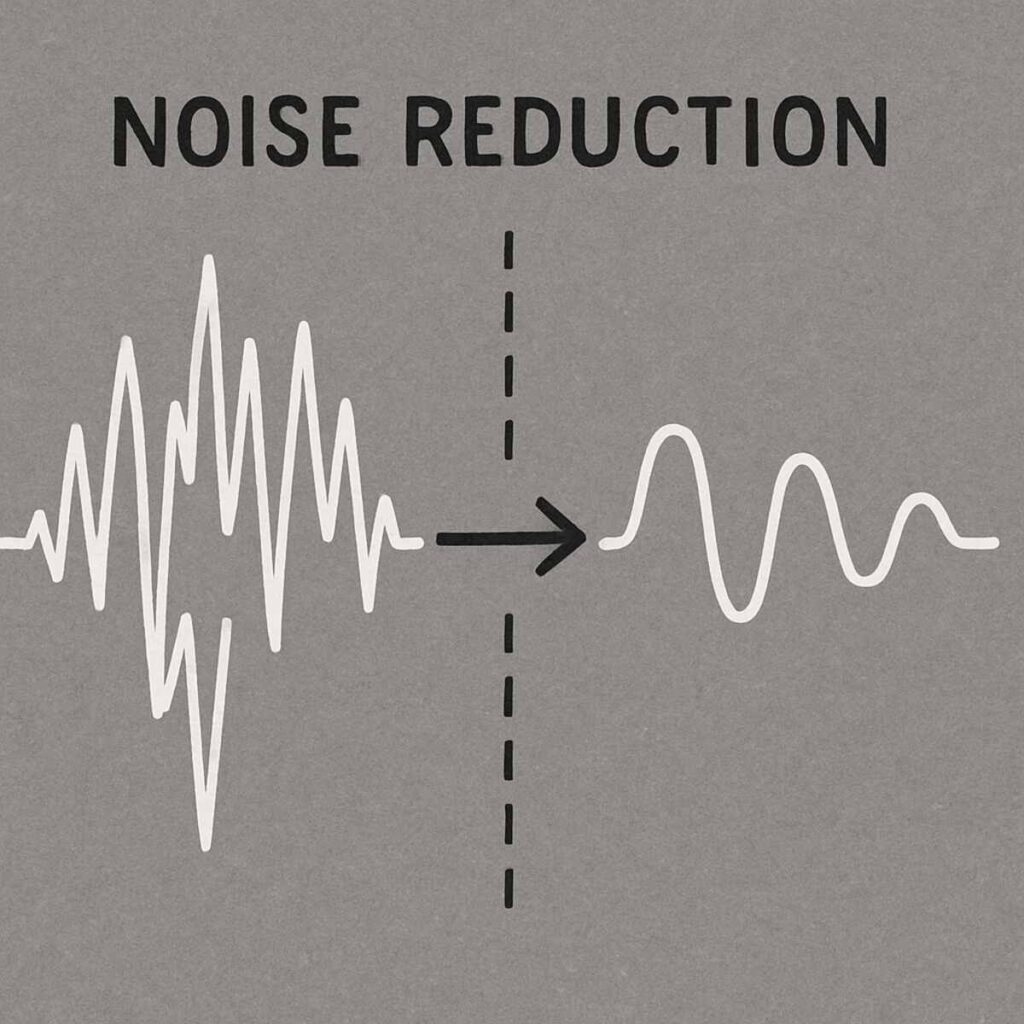
Noise reduction is a critical aspect of pulsation dampener performance. Effective dampeners significantly attenuate the noise generated by fluid pulsations, thereby creating a more conducive working environment and reducing the risk of noise-induced damage to system components.
Importance of Noise Reduction
Reducing noise levels is not just about creating a more pleasant working environment; it also has implications for system health. Excessive noise can indicate underlying issues such as vibration and turbulence, which can lead to wear and tear on system components. By minimizing noise, a well-chosen dampener helps maintain system integrity and prolongs equipment lifespan.
Measuring Noise Levels
Accurate measurement of noise levels is essential to determine the effectiveness of a pulsation dampener. Using sound level meters and other acoustic measurement tools can provide insights into the noise reduction capabilities of different dampeners. These measurements guide the selection process, ensuring that the chosen dampener meets the specific noise reduction requirements of the application.
Impact on Workplace Environment
Noise reduction also has a direct impact on the workplace environment. High noise levels can lead to fatigue and decreased concentration among workers, potentially affecting productivity and safety. Implementing effective pulsation dampeners contributes to a quieter, more comfortable, and safer workplace, enhancing overall operational efficiency.
Size and Volume
The volumetric capacity of the pulsation dampener must align with the pulsation volume produced by the pump. An undersized dampener may fail to absorb sufficient pulsation energy, while an oversized unit could introduce unnecessary complexity and cost.
Matching Size to System Needs
Selecting the appropriate size for a pulsation dampener involves matching its capacity to the specific needs of the system. This requires understanding the volume and frequency of pulsations produced by the pump. A well-sized dampener ensures efficient energy absorption, reducing stress on the system and enhancing overall performance.
Consequences of Incorrect Sizing
Incorrect sizing of a pulsation dampener can lead to various issues. An undersized dampener may not effectively mitigate pulsations, resulting in continued noise and vibration. On the other hand, an oversized dampener may add unnecessary bulk and cost to the system without providing additional benefits. Proper sizing is essential for achieving optimal performance.
Space Constraints and Installation
In some cases, space constraints can influence the choice of dampener size. It’s important to consider the available space for installation and ensure that the chosen dampener can be accommodated without hindering other system components. Proper planning and consideration of space requirements help facilitate a smooth installation process.
Maintenance and Durability
The longevity and maintenance requirements of a pulsation dampener are influenced by its construction and material composition. Durable materials and robust construction reduce maintenance frequency and prolong the operational lifespan of the dampener.
Maintenance Requirements
Regular maintenance is crucial to ensure the continued performance of pulsation dampeners. This includes routine inspections to check for signs of wear, leaks, or other issues. Following the manufacturer’s recommended maintenance schedule helps identify potential problems early and prevents costly repairs or replacements.
Durable Materials
Choosing pulsation dampeners made from durable materials can significantly impact their lifespan and maintenance needs. High-quality materials resist wear and corrosion, reducing the likelihood of failure and the need for frequent maintenance. Investing in durable dampeners pays off in the long run by minimizing downtime and maintenance costs.
Longevity and Cost Efficiency
The overall cost efficiency of a pulsation dampener is closely tied to its durability and maintenance requirements. While more durable dampeners may have a higher upfront cost, their extended lifespan and reduced maintenance needs often result in lower total ownership costs. Evaluating the long-term benefits of durability is crucial in making an informed purchasing decision.
Types of Pulsation Dampeners
Understanding the various types of pulsation dampeners available can aid in selecting the most appropriate solution for specific applications.
Bladder Dampeners
Bladder dampeners utilize an internal bladder to separate the gas charge from the fluid. This design is effective in absorbing pulsation energy and is suitable for a wide range of applications.
Design and Operation
Bladder dampeners consist of a flexible bladder housed within a pressure vessel. The bladder separates the gas charge from the fluid, allowing it to compress and absorb pulsation energy. This design is versatile and can handle a variety of applications, making bladder dampeners a popular choice for many systems.
Application Versatility
One of the key advantages of bladder dampeners is their versatility. They can be used in a wide range of applications, from low-pressure systems to high-pressure industrial processes. This adaptability makes them suitable for various industries, including water treatment, chemical processing, and oil and gas.
Maintenance Considerations
While bladder dampeners are generally reliable, regular maintenance is important to ensure their continued performance. This includes inspecting the bladder for wear or damage and checking the gas charge pressure. Proper maintenance helps prevent issues and extends the lifespan of the dampener.
Diaphragm Dampeners
Diaphragm dampeners employ a flexible diaphragm to isolate the fluid from the gas charge. These dampeners are often preferred for applications involving corrosive fluids or high-pressure environments.
Diaphragm Design
The diaphragm in these dampeners serves as a barrier between the fluid and the gas charge. This separation allows the gas to compress and absorb pulsation energy without direct contact with the fluid. The diaphragm’s flexibility and durability are crucial to the dampener’s performance, especially in challenging environments.
Suitability for Corrosive and High-Pressure Applications
Diaphragm dampeners excel in applications involving corrosive fluids or high-pressure conditions. The diaphragm material can be chosen for its chemical resistance, ensuring it withstands corrosive substances without degradation. Additionally, the robust design makes them ideal for high-pressure systems, providing reliable pulsation control.
Durability and Maintenance
Diaphragm dampeners are known for their durability and reliability. However, regular maintenance is still essential to monitor the diaphragm’s condition and ensure the gas charge remains at the correct pressure. Proper care and attention to maintenance extend the dampener’s lifespan and maintain optimal performance.
Piston Dampeners
Piston dampeners use a piston to compress the gas charge, thereby absorbing pulsation energy. They are typically employed in high-pressure systems where robust construction is necessary.
Piston Mechanism
In piston dampeners, a piston moves within a cylinder to compress the gas charge, absorbing pulsation energy. This design is well-suited to high-pressure applications, where the robust construction can withstand the demands of intense pressure fluctuations.
High-Pressure Applications
Piston dampeners are ideal for high-pressure systems, such as those found in oil and gas, petrochemical, and industrial manufacturing. Their ability to handle significant pressure differentials makes them a preferred choice for applications where reliability and durability are paramount.
Maintenance and Performance
While piston dampeners are generally durable, regular maintenance is essential to ensure their continued performance. This includes inspecting the piston and cylinder for wear and ensuring the gas charge remains at the correct level. Adhering to a maintenance schedule helps prevent issues and prolongs the dampener’s operational life.
Advanced Considerations
For applications involving complex fluid dynamics, additional considerations may be necessary to ensure optimal dampener performance.
Computational Fluid Dynamics (CFD) Analysis
Utilizing computational fluid dynamics (CFD) analysis can provide valuable insights into the behavior of fluids within a system, enabling more precise dampener selection. CFD analysis can simulate various operating conditions, allowing engineers to predict the impact of different dampener configurations on system performance.
Benefits of CFD Analysis
CFD analysis offers several benefits, including the ability to visualize fluid flow patterns and identify potential problem areas. By simulating different scenarios, engineers can determine the most effective dampener configuration for a specific application. This predictive capability helps optimize system performance and avoid costly trial-and-error approaches.
Predictive Modeling
Predictive modeling with CFD analysis allows engineers to anticipate how changes in system parameters will affect fluid dynamics. This insight is invaluable for selecting a dampener that can effectively mitigate pulsations and vibrations under varying operating conditions. By predicting system behavior, engineers can make informed decisions that enhance performance.
Integration with Design Processes
Incorporating CFD analysis into the design process ensures that dampener selection is based on a comprehensive understanding of system dynamics. By integrating CFD insights into the design phase, engineers can optimize dampener placement and configuration, leading to improved system efficiency and reliability.
Customization and Tailored Solutions
In some cases, standard dampener designs may not suffice, necessitating the development of customized solutions. Collaborating with manufacturers to design dampeners tailored to specific system requirements can yield significant performance enhancements.
Identifying Unique System Needs
Customization begins with identifying the unique needs and challenges of the specific system. This involves assessing factors such as fluid characteristics, pressure variations, and space constraints. Understanding these requirements allows for the development of a dampener that addresses the system’s specific demands.
Collaboration with Manufacturers
Collaborating with manufacturers is essential for developing tailored dampener solutions. Manufacturers can provide expertise in material selection, design optimization, and performance testing. By working closely with manufacturers, system operators can ensure that the customized dampener meets all performance criteria and enhances system efficiency.
Benefits of Custom Solutions
Custom solutions offer several advantages, including improved performance, increased reliability, and reduced maintenance requirements. By addressing specific system needs, customized dampeners can optimize fluid dynamics and minimize issues such as noise and vibration. This leads to enhanced overall system performance and longevity.
Implementation and Testing
Once a pulsation dampener has been selected, rigorous testing is essential to verify its performance under real-world conditions. This involves assessing the dampener’s ability to reduce pulsations, minimize noise, and maintain system integrity over time.
Performance Monitoring
Continuous monitoring of the dampener’s performance can help identify any deviations from expected behavior, allowing for timely interventions to prevent system disruptions.
Importance of Monitoring
Monitoring the performance of pulsation dampeners is crucial to ensure they continue to operate effectively. Regular performance checks help detect any deviations from expected behavior, allowing for prompt corrective action. This proactive approach minimizes the risk of system disruptions and maintains operational efficiency.
Tools for Monitoring
Various tools and technologies can be used to monitor dampener performance, including pressure sensors, flow meters, and acoustic measurement devices. These tools provide real-time data on system conditions, enabling operators to identify and address any issues before they escalate. Implementing effective monitoring systems is essential for maintaining optimal dampener performance.
Responding to Deviations
When deviations in dampener performance are detected, it’s important to respond promptly to prevent further complications. This may involve adjusting system parameters, conducting maintenance, or consulting with manufacturers for technical support. Timely interventions help maintain system integrity and ensure continued reliability.
Regular Maintenance
Adhering to a regular maintenance schedule ensures that the dampener remains in optimal condition, preserving its efficacy and extending its operational lifespan.
Establishing a Maintenance Schedule
Establishing a regular maintenance schedule is essential for keeping pulsation dampeners in optimal condition. This schedule should include routine inspections, cleaning, and component checks. Following a structured maintenance plan helps prevent issues and ensures the dampener continues to perform effectively.
Key Maintenance Tasks
Key maintenance tasks include checking for signs of wear, inspecting seals and connections, and verifying gas charge levels. Regularly performing these tasks helps identify potential problems early, allowing for timely repairs or replacements. Consistent maintenance practices contribute to the dampener’s longevity and reliability.
Benefits of Routine Maintenance
Routine maintenance offers several benefits, including enhanced performance, reduced downtime, and extended equipment lifespan. By maintaining dampeners in good condition, operators can prevent costly repairs and ensure continuous system operation. Investing in regular maintenance is a cost-effective strategy for achieving long-term reliability.
Conclusion
Selecting the right pulsation dampener is a complex but essential process that significantly influences the efficiency and reliability of fluid systems. By considering factors such as system compatibility, noise reduction capabilities, and maintenance requirements, and by leveraging advanced analytical tools like CFD analysis, you can make an informed decision that enhances system performance and longevity. The right pulsation dampener not only mitigates noise and vibrations but also contributes to the overall stability and durability of the mechanical system, making it a vital component in fluid dynamics applications.