


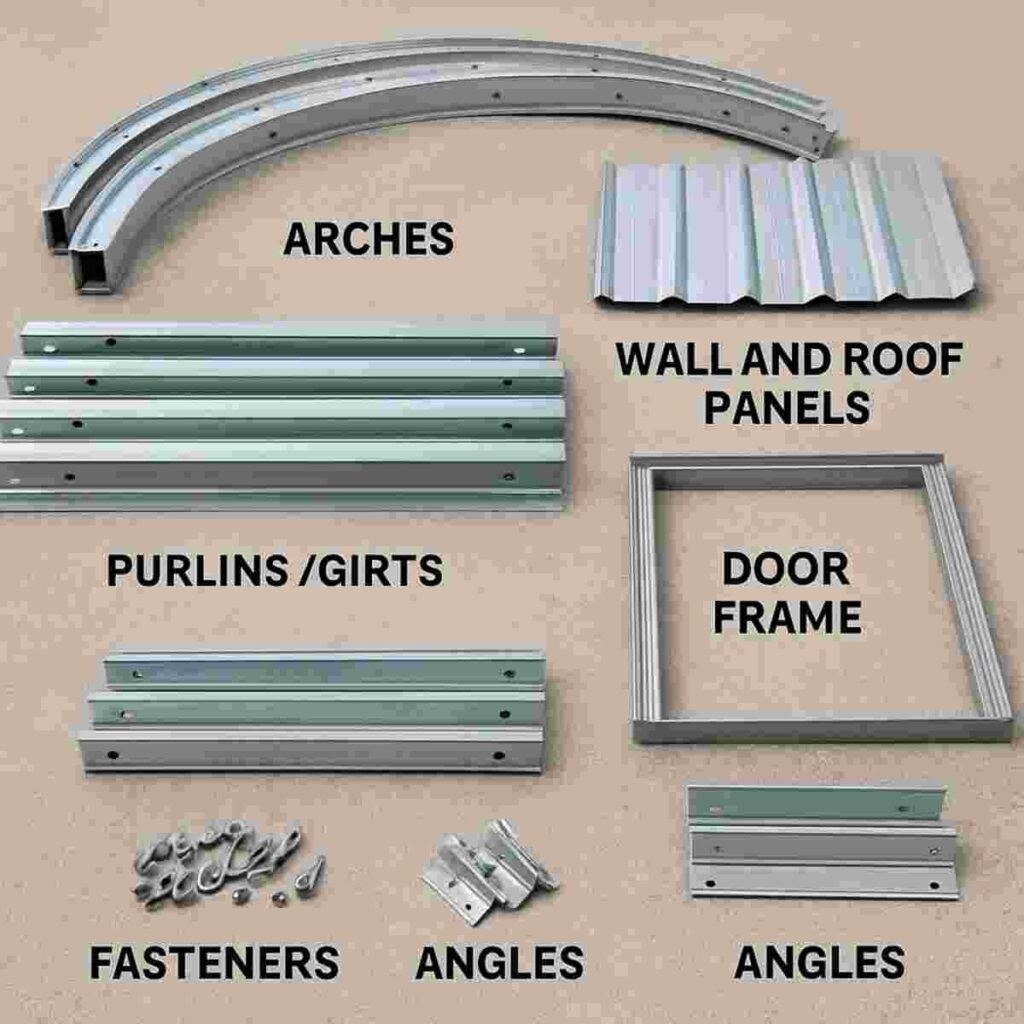
First things first, let’s get clear on what a steel building kit actually is. Essentially, these kits include everything you need to construct a metal building, minus the tools and foundation. They’re like giant versions of those model kits you might have put together as a kid, only instead of glue and plastic pieces, you have steel beams and bolts. Select the Top 10 Steel Building Kit Companies.
What is Included in a Steel Building Kit?
A typical steel building kit comes with prefabricated pieces that are ready to be assembled. These include steel beams, panels, fasteners, and sometimes insulation. You will also find detailed instructions that guide you through the assembly process. The precision of these prefabricated parts ensures that when assembled, the structure is sturdy and well-aligned.
The Advantages of Prefabrication
Prefabrication is a process where parts are manufactured in a controlled environment and then transported to the construction site. This method reduces waste and ensures that parts fit together perfectly. It also saves time on site, as you don’t have to cut or alter parts extensively. This precision and efficiency are some of the key benefits of using steel building kits.
The Role of Steel in Modern Construction
Steel is a cornerstone of modern construction. Its use spans from skyscrapers to small sheds due to its strength and versatility. Steel can withstand forces like wind and earthquakes better than traditional materials, making it a preferred choice for many construction projects. Its recyclability also makes it an environmentally friendly option, which is increasingly important in today’s world.
Why Choose Steel?
Steel has become the go-to choice for many builders and DIY enthusiasts for a few good reasons:
- Durability: Steel is incredibly strong and can withstand harsh weather conditions. Its resistance to pests and fire also adds to its longevity, making it a reliable building material.
- Cost-Effectiveness: While the initial cost might seem steep, the low maintenance and longevity make it a wise investment. Over time, the savings on repairs and energy bills due to its insulating properties can be significant.
- Versatility: Whether you need a garage, a barn, or even a small home, steel kits can be adapted to suit a variety of uses. They can be easily expanded or modified, allowing for future growth or changes in use.
- Environmental Impact: Steel is 100% recyclable, which means that old steel structures can be melted down and reused without losing any strength. This reduces the environmental footprint of construction projects.
- Design Flexibility: Steel kits offer a wide range of design options. You can choose from various styles and finishes to match your aesthetic preferences, ensuring your building isn’t just functional but also visually appealing.
Types of Steel Kits
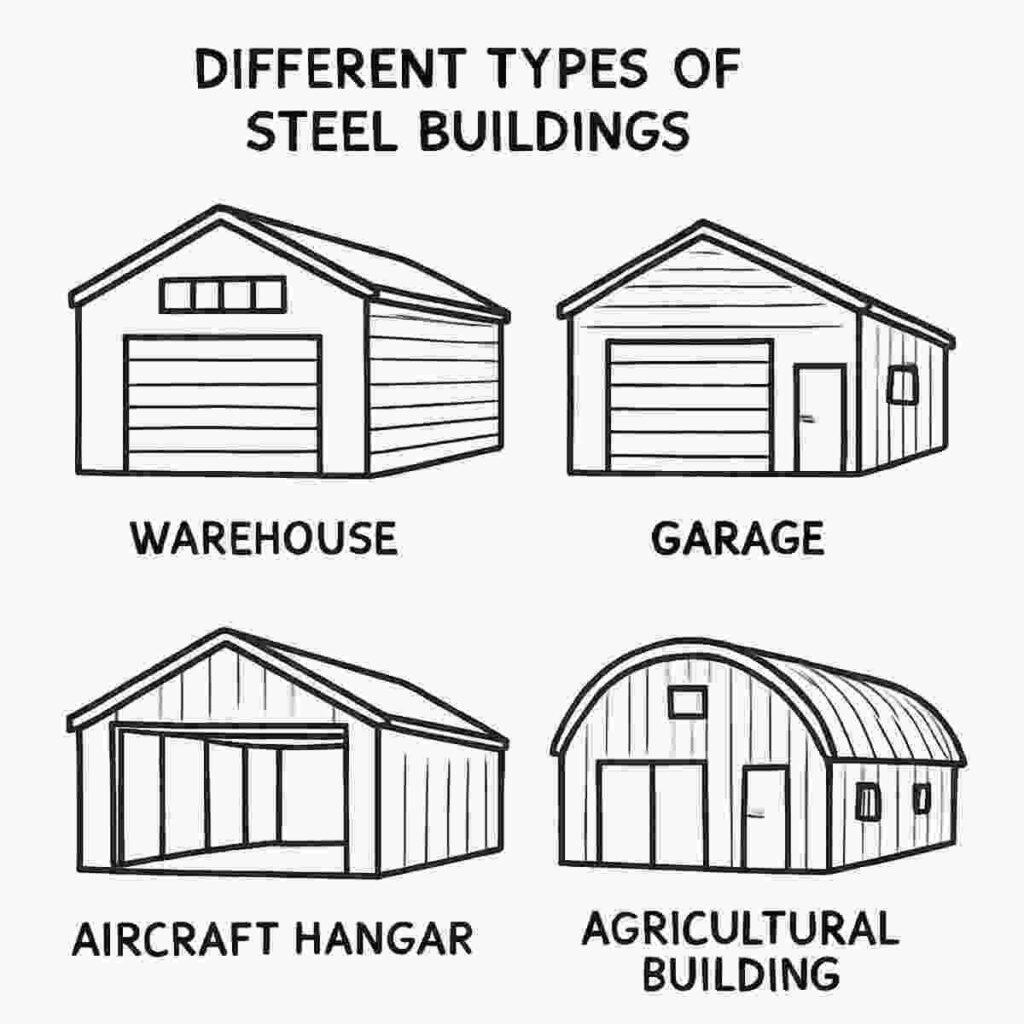
When it comes to steel building kits, there are a few different types to consider:
Metal Building Kits
These are the most versatile and can be used for a range of purposes, from workshops to warehouses. They’re typically customizable, allowing you to choose the size, design, and features that best meet your needs.
Customization Options
Metal building kits offer extensive customization options. You can select different roof styles, colors, and siding materials to match your vision. This flexibility ensures that your building suits both your functional needs and aesthetic preferences.
Common Uses
Metal building kits are used for a variety of applications. They are ideal for creating large open spaces without interior columns, making them perfect for warehouses and manufacturing facilities. They are also popular for creating community centers, airplane hangars, and agricultural buildings.
Ease of Assembly
One of the significant advantages of metal building kits is their ease of assembly. They often come with pre-drilled holes and all necessary hardware, reducing the complexity of construction. This makes them accessible to those with limited construction experience.
Steel Garage Kits
If you’re looking specifically to build a garage, steel garage kits are designed with this purpose in mind. They usually come with pre-cut pieces and detailed instructions, making them relatively easy to assemble.
Benefits of Steel Garages
Steel garages provide robust protection for vehicles and equipment. They are resistant to fire, termites, and rot, unlike traditional wooden structures. This durability ensures that your investments are well-protected, regardless of the weather conditions.
Design Features
Steel garage kits come with a variety of design features. You can choose from roll-up doors, insulation options, and even skylights. These features allow you to tailor the garage to your specific needs, whether it’s for vehicle storage or a workshop.
Time and Cost Efficiency
Building a garage from a steel kit is time-efficient, as the prefabricated parts reduce construction time. The cost savings compared to traditional construction methods are also notable, making them an attractive option for budget-conscious builders.
Steel Building Kits
Similar to metal building kits, these are designed for a variety of uses but are often larger and more robust, suitable for commercial or industrial purposes.
Commercial Applications
Steel building kits are widely used in commercial settings. They provide large, open spaces that can be adapted for retail stores, offices, or even restaurants. Their flexibility allows for easy modification as business needs change.
Industrial Strength
For industrial applications, steel building kits are ideal due to their strength and durability. They can support heavy equipment and machinery, making them suitable for factories and warehouses. Their ability to withstand heavy loads and harsh environments is a significant advantage.
Expansion and Scalability
Steel building kits are easily expandable. As your business grows, you can add additional sections to the existing structure. This scalability ensures that your investment can adapt to future demands without needing a complete rebuild.
Key Considerations When Choosing a Steel Kit
Now that you have a sense of what’s available, let’s dive into how to choose the right steel kit for your project.
Determine Your Needs
Start by getting clear on what you need. Is this building for personal or commercial use? How much space do you require? Answering these questions will help you narrow down your options.
Assessing Your Purpose
Understanding the primary purpose of your building is crucial. Whether it’s for storage, manufacturing, or residential use, knowing this will guide your choice in size, design, and features. Each application has specific requirements that must be considered.
Space Requirements
Consider how much space you need not just now, but in the future. Think about any potential expansions or additional features you might want to include. It’s better to plan for more space than to find yourself cramped later.
Future-Proofing Your Investment
Future-proofing involves considering how your needs might change over time. Choosing a kit that offers flexibility and the option to expand ensures that your building remains useful and relevant for years to come.
Set a Budget
Steel kits come in a wide range of prices, so it’s important to have a budget in mind. Don’t forget to account for additional costs like tools, foundation, and any customizations you might want.
Understanding Cost Variables
Several factors influence the cost of a steel building kit. These include size, complexity, customization options, and delivery costs. Understanding these variables will help you set a realistic budget and avoid unexpected expenses.
Balancing Cost and Quality
While it’s tempting to choose the cheapest option, quality should not be compromised. Investing in high-quality materials ensures longevity and reduces maintenance costs over time. Consider the long-term savings when making your decision.
Financing Options
Explore financing options if your budget is limited. Many suppliers offer financing plans that allow you to spread the cost over time. This can make a higher-quality kit more accessible without straining your finances.
Assess the Quality
Not all steel kits are created equal. Look for kits made from high-quality, galvanized steel, as this will provide the best protection against rust and corrosion.
Material Quality
The quality of the steel used in your kit is paramount. High-grade, galvanized steel offers superior resistance to rust, which is crucial for maintaining the structural integrity of your building over time. Always verify the material specifications before purchasing.
Manufacturer Reputation
Research manufacturers to ensure they have a good reputation for quality and reliability. Customer reviews and testimonials can provide insight into the experiences of previous buyers. A reputable manufacturer will stand by their product with warranties and support.
Certification and Standards
Ensure that the steel kit meets industry standards and certifications. This guarantees that the materials and design comply with safety regulations, providing peace of mind that your structure will be safe and durable.
Check for Customization Options
Some kits offer more customization options than others. If you have specific needs or want to add personal touches, make sure the kit you choose can accommodate these desires.
Design Flexibility
Look for kits that offer flexible design options. This could include choosing different roof styles, wall colors, or even adding insulation. The ability to customize these elements ensures that your building meets both functional and aesthetic requirements.
Additional Features
Consider any additional features you might need, such as extra doors, windows, or ventilation systems. Some kits offer these as standard options, while others may require custom orders. Ensure that the kit you choose can accommodate these features.
Personalization
Personalizing your steel building can enhance its functionality and appeal. Whether it’s adding a mezzanine level for extra storage or a unique façade for aesthetic appeal, personalization options can make the building truly yours.
The Assembly Process
One of the biggest draws of steel building kits is their DIY-friendly nature. Here’s a basic overview of what the assembly process looks like:
Foundation Preparation
Before you start assembling, you’ll need a solid foundation. This could be a concrete slab or another sturdy base that can support the structure.
Choosing the Right Foundation
The foundation is crucial to the stability of your building. A concrete slab is the most common choice, providing a level and durable surface. However, other options like gravel or pier foundations might be suitable for smaller structures.
Preparing the Site
Site preparation involves clearing the area of debris and leveling the ground. Ensuring the site is properly prepared will prevent complications during assembly and contribute to the longevity of the structure.
Laying the Foundation
Once the site is prepared, laying the foundation accurately is essential. This step requires precision to ensure that the building sits correctly and remains stable. Hiring professionals for this step can be beneficial if you’re unfamiliar with foundation work.
Framing the Structure
Once the foundation is ready, you’ll start by assembling the steel frame. This is usually the most time-consuming part but also the most rewarding.
Assembling the Frame
The frame is the skeleton of your building, providing support for the roof and walls. Assembling it involves connecting beams and columns using bolts and fasteners. Following the instructions carefully is crucial for ensuring accuracy and stability.
Ensuring Structural Integrity
During framing, it’s essential to check that everything is level and aligned correctly. Using a spirit level and measuring tape will help ensure that the frame is square and true, preventing issues later in the assembly process.
Safety Precautions
Safety during framing is paramount. Wearing protective gear such as gloves and helmets can prevent injuries. It’s also advisable to have at least one other person assisting, as steel components can be heavy and unwieldy.
Installing the Roof and Walls
After the frame is up, you’ll attach the roof and walls. This is where your building really starts to take shape.
Roof Installation
The roof is a critical component, protecting the interior from the elements. Proper installation is key to ensuring it’s weather-tight. Follow the instructions carefully, and consider installing gutters to manage rainwater effectively.
Wall Installation
Attaching the walls involves securing panels to the frame. This step requires precision to ensure that panels fit snugly and provide adequate insulation. Proper sealing is essential to prevent drafts and moisture ingress.
Insulation and Ventilation
Consider installing insulation and ventilation systems during this stage. Insulation will help regulate the building’s temperature, while ventilation is crucial for air circulation and preventing moisture buildup.
Adding Finishing Touches
Finally, you’ll add any doors, windows, and other finishing touches that make the building functional and appealing.
Door and Window Installation
Installing doors and windows requires careful measurement to ensure a proper fit. These elements are not only functional but also contribute to the building’s aesthetics and natural light.
Interior Finishing
Interior finishing can include painting, flooring, and installing electrical systems. These elements make the space usable and comfortable, tailored to your specific needs.
Exterior Enhancements
Consider enhancing the exterior with landscaping or additional features like awnings. These enhancements can improve the building’s curb appeal and functionality.
Final Tips for Success
Plan Ahead
Take the time to plan your project thoroughly. This includes everything from securing any necessary permits to organizing the tools and help you’ll need.
Permits and Regulations
Research local building codes and regulations to ensure compliance. Securing the necessary permits before beginning construction is crucial to avoid legal issues.
Tool and Equipment Checklist
Create a checklist of all the tools and equipment you’ll need. This includes basic hand tools, power tools, and safety gear. Ensuring you have everything on hand will streamline the assembly process.
Coordinating Assistance
Enlist the help of friends or professionals if needed. Having extra hands can significantly speed up the process and make handling large components easier.
Follow Instructions Carefully
It might be tempting to skip steps or cut corners, but following the instructions carefully will save you a lot of headaches in the long run.
Importance of Instructions
Instructions are there for a reason. They ensure that the building is assembled correctly and safely. Taking the time to read through them thoroughly before starting can prevent costly mistakes.
Troubleshooting Tips
If you encounter issues, refer to the troubleshooting section of the instructions. Common problems and their solutions are often listed, providing guidance for overcoming obstacles.
Manufacturer Support
Don’t hesitate to contact the manufacturer for support if needed. They can provide additional guidance and clarify any uncertainties you may have.
Don’t Be Afraid to Ask for Help
If you find yourself stuck, there’s no shame in calling in reinforcements. Whether it’s a friend with construction experience or a professional, a little extra help can make a big difference.
When to Call a Professional
Recognize when a task is beyond your skill level. Calling a professional for tasks like electrical work or foundation laying can ensure these critical aspects are done correctly and safely.
Building a Support Network
Having a support network, whether it’s friends, family, or professionals, can make the process more enjoyable and manageable. They can provide advice, physical assistance, and moral support.
Community Resources
Consider reaching out to community resources, such as local DIY groups or online forums. These platforms can offer valuable advice and share experiences that might be relevant to your project.
Enjoy the Process
Last but not least, try to enjoy the process. Building something from scratch is incredibly satisfying, and each step brings you closer to your goal.
Embracing the Challenge
Embrace the challenge of building your structure. Each obstacle you overcome enhances your skills and confidence, turning the project into a rewarding learning experience.
Celebrating Milestones
Celebrate milestones along the way, whether it’s completing the foundation or finishing the roof. Recognizing these achievements keeps you motivated and engaged.
Reflecting on Your Accomplishment
Once the project is complete, take a moment to reflect on your accomplishment. You’ve created something tangible and valuable, a testament to your hard work and perseverance.
By following these guidelines, you’ll be well on your way to choosing the perfect steel kit for your project. Remember, the right kit is out there, and with a little research and planning, you can find it. Happy building!