
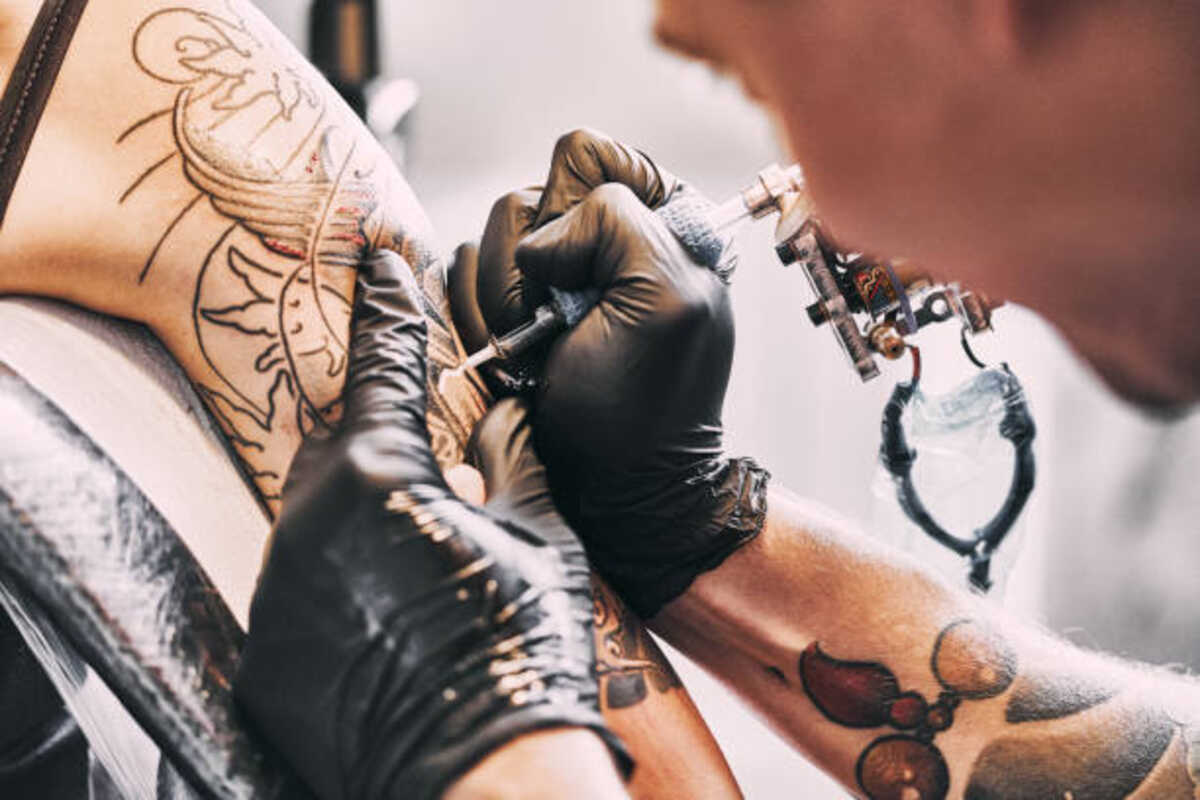

Deciding to get a tattoo is a meaningful step that combines personal expression with permanent artistry. A tattoo can represent individuality, memories, or creative identity, which is why preparation is such an important part of the process. When clients understand how professional studios operate, it becomes easier to feel confident and achieve a result that looks strong and professional long-term.
Before committing, it’s important to explore tattoo styles, consider placement, and evaluate the studio’s reputation. Working with experienced artists ensures the design is executed with precision and matches personal expectations. If you are planning your first tattoo, researching trusted studios and understanding the process can help you avoid stress and make better decisions from the start.
Planning Before Getting a Tattoo
Preparation begins with defining your concept. Whether the design is symbolic, artistic, or decorative, clarity helps artists translate ideas into a clean and well-balanced final piece. Clients should think about size, placement, and visibility, especially since tattoos may change slightly over time as the skin naturally shifts.
A professional consultation can also help refine details, adjust the design to fit the body, and confirm that the tattoo aligns with your vision. Many studios provide guidance on what styles work best for certain placements and how long a session may take, depending on complexity.
The Tattooing Process Explained
Tattooing involves applying ink to the skin using specialised equipment. Professional artists control depth, pressure, and ink saturation to ensure crisp lines and even shading. The length of the session depends on the design size and detail level. Some tattoos are completed in one sitting, while others require multiple sessions to maintain quality and accuracy.
Studio Hygiene and Safety Standards
Safety is one of the most important factors when choosing where to get tattooed. Professional studios use sterile equipment, disposable needles, and medical-grade disinfectants. Artists follow strict hygiene protocols to protect both clients and staff, and they should always provide clear aftercare instructions.
A reputable studio will also be transparent about safety procedures, licensing, and the products used during tattooing. Clients should feel comfortable asking questions about cleanliness, equipment, and healing support. Reliable studios maintain a clean environment and treat safety standards as a core part of the service.
If you are looking for a trusted studio website to explore more information, visit icontattoo.ca for studio details and guidance.
Conclusion
Getting a tattoo is a personal decision that benefits from thoughtful planning and the right studio choice. From design development to safe execution, professional support improves both the experience and the final result.
